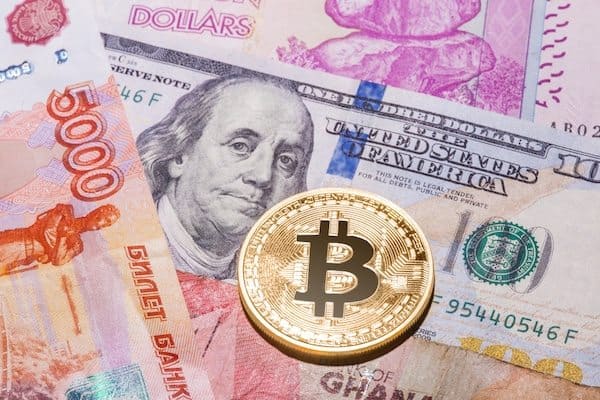
Buy Bitcoin (BTC): Your Beginner's Guide to Digital Gold
In the rapidly evolving landscape of digital finance, one asset stands out as both a pioneer and a powerful force: Bitcoin (BTC). Often hailed as “digital gold,” Bitcoin has captured the imagination of investors and innovators worldwide. Its journey, from an enigmatic whitepaper to a global phenomenon, is marked by a rich history, a vibrant present, and a future brimming with potential. If you're pondering, "Should I buy Bitcoin now?" or simply curious about entering the world of cryptocurrency, this comprehensive guide is designed to demystify the process, offering a clear, step-by-step path for beginners.
Understanding Bitcoin: More Than Just a Coin
Before you embark on your journey to buy Bitcoin, it’s crucial to grasp the fundamental concepts that underpin this digital asset. Bitcoin isn't merely a digital currency; it's a decentralized network, a technological marvel, and a revolutionary approach to money. Its moniker, "digital gold," isn't just a catchy phrase – it reflects key attributes that make Bitcoin attractive as a store of value:
- Scarcity: Like gold, Bitcoin has a finite supply, capped at 21 million coins. This programmed scarcity is a core driver of its value proposition.
- Decentralization: Unlike traditional currencies controlled by central banks, Bitcoin operates on a decentralized network known as a blockchain. This means no single entity has control, fostering transparency and resistance to censorship.
- Durability and Portability: Bitcoin exists purely in the digital realm, making it indestructible and easily transferable across the globe with an internet connection.
Since its inception in 2009 by the pseudonymous Satoshi Nakamoto, Bitcoin has proven its resilience and adaptability. It has survived numerous market cycles, demonstrating its potential as an investment that can withstand economic turbulence and potentially offer significant returns over the long term, despite its characteristic volatility.
How to Buy Bitcoin: A Step-by-Step Guide for Newcomers
For individuals looking to buy Bitcoin for the first time, the most accessible and secure method is through a reputable cryptocurrency exchange. These platforms act as intermediaries, facilitating the purchase and sale of digital assets. The process is generally straightforward and can be broken down into these essential steps:
- Create an Exchange Account: Your first step is to choose a trusted cryptocurrency exchange (more on this below) and sign up. This typically involves providing an email address, creating a strong password, and sometimes a phone number.
- Complete Identity Verification (KYC): To comply with financial regulations and enhance security, most legitimate exchanges require Know Your Customer (KYC) verification. This usually involves submitting a photo of a government-issued ID (like a passport or driver's license) and sometimes a selfie. While it might seem a bit time-consuming, this step is crucial for protecting your funds and ensuring a secure trading environment.
- Choose Bitcoin (BTC) to Buy: Once your account is set up and verified, navigate to the "Buy" or "Trade" section of the exchange. Select Bitcoin (BTC) from the list of available cryptocurrencies.
- Enter Your Purchase Amount: Decide how much Bitcoin you wish to buy. The good news for beginners is that you don't need to buy a whole Bitcoin; you can purchase fractions of a coin. Many exchanges allow you to start with as little as $10, $20, or any other dollar denomination, making it highly accessible.
- Select a Digital Payment Method: Link your preferred payment method. Common options include bank transfers, debit cards, credit cards, or sometimes even third-party payment services. Be aware that different payment methods may incur varying fees and processing times.
- Confirm Your Purchase: Review all the details of your order – the amount of Bitcoin, the price, and any associated fees. Once you're satisfied, confirm the transaction. Your Bitcoin should then appear in your exchange wallet within minutes.
For instance, on platforms like Kraken, you would typically open the app, navigate to the "Buy" option, select Bitcoin, enter your desired amount, and then swipe to complete the purchase. Other exchanges like Binance, Coinbase, OKX, and StormGain follow similar intuitive processes, aiming to make it as easy as possible to buy Bitcoin.
Choosing the Right Platform and Payment Method
The choice of cryptocurrency exchange significantly impacts your buying experience. When deciding where to buy Bitcoin, consider the following factors:
- Security: Prioritize exchanges with robust security measures, including two-factor authentication (2FA), cold storage for client funds, and a strong track record of protecting users' assets.
- Fees: Understand the fee structure. Exchanges typically charge trading fees, deposit fees, and withdrawal fees. Some offer lower fees for certain payment methods or higher trading volumes. Network fees (gas fees) are separate and depend on blockchain congestion.
- User Interface: For beginners, a user-friendly interface is crucial. Look for platforms that make navigation and transactions straightforward.
- Supported Payment Methods: Ensure the exchange supports payment methods convenient for you.
- Customer Support: Good customer service can be invaluable, especially if you encounter any issues.
- Jurisdiction and Regulations: Verify if the exchange operates legally and is regulated in your region.
Major platforms like Binance, Coinbase, Kraken, and OKX are popular choices, offering a wide range of services, including standard buying options and peer-to-peer (P2P) marketplaces. P2P options can sometimes offer lower fees and more payment flexibility, as you're transacting directly with another user. To dive deeper into selecting the ideal platform and understanding wallet options, consider reading our detailed guide on How to Buy Bitcoin: Exchanges, Wallets, and Getting Started.
Managing Your Bitcoin: Storage and Selling
Once you buy Bitcoin, the next critical step is to consider how you will store it securely. While leaving it on the exchange (an "exchange wallet" or "hot wallet") is convenient for small amounts or frequent trading, for larger holdings, moving your Bitcoin to a personal, non-custodial wallet is often recommended for enhanced security. These include:
- Software Wallets: Apps on your phone or desktop that give you control over your private keys.
- Hardware Wallets ("Cold Storage"): Physical devices that store your Bitcoin offline, offering the highest level of security against online threats.
Selling Bitcoin: The process for selling Bitcoin mirrors the buying steps:
- Access the "Sell" Option: Log in to your exchange account and navigate to the "Sell" section.
- Choose BTC as the Asset: Select Bitcoin (BTC) as the cryptocurrency you wish to sell.
- Specify the Amount and Confirm: Enter the amount of Bitcoin you want to sell and confirm the transaction. You can often choose between selling for fiat currency (like USD, EUR) or another cryptocurrency (altcoins).
Exchanges often provide various selling orders, such as market orders (to sell immediately at the current market price) or limit orders (to sell only when Bitcoin reaches a specific price you set). P2P transactions are also available for selling, offering flexibility and sometimes better rates. For large transactions, Over-The-Counter (OTC) markets provide private, high-liquidity services.
Is Now the Right Time to Buy Bitcoin?
The question, "Should I buy Bitcoin now?" is perhaps one of the most common and challenging, given Bitcoin's notorious price volatility. While nobody can predict the market's exact movements, here are some perspectives for beginners:
- Volatility is Normal: Bitcoin's price swings can be dramatic. While this can be intimidating for risk-averse investors, it's a characteristic of emerging markets and high-growth assets.
- Long-Term Holding (HODLing): Many successful Bitcoin investors adopt a long-term strategy, often referred to as "HODLing" (a misspelling of "hold"). This involves buying Bitcoin and holding it for several years, ignoring short-term price fluctuations, and aiming for significant value appreciation over time.
- Dollar-Cost Averaging (DCA): A popular strategy for mitigating volatility is Dollar-Cost Averaging. Instead of investing a large sum all at once, you invest a fixed amount of money at regular intervals (e.g., $50 every week). This strategy helps you average out your purchase price over time, reducing the risk of buying all your Bitcoin at a market peak.
- Invest What You Can Afford to Lose: This is perhaps the most crucial advice for any investment, especially in a volatile market like cryptocurrency. Never invest money you cannot afford to lose, as there's always a risk of capital loss.
Thanks to the versatility offered by exchanges, you can start investing with modest amounts, making it easier to experiment and gain comfort with the market. For more detailed insights on starting with smaller amounts and managing fees, refer to our article: Buy Bitcoin (BTC) for Beginners: Start with $10 & Reduce Fees.
Buying Bitcoin can be an exciting first step into the world of digital assets. By understanding its fundamental principles, following secure buying practices, choosing the right platform, and adopting a disciplined investment strategy, you can confidently navigate the market. Remember that education and due diligence are your best tools in this innovative financial frontier. Embrace the journey of learning, invest wisely, and become a part of the digital gold revolution.